


Learn
Welcome to our Learning Hub, where knowledge meets action. Dive into a rich collection of tools, manuals, and best practices tailored to empower communities and organizations. Discover upcoming events, engage in advocacy initiatives, and equip yourself with the resources needed to drive meaningful change and build a more resilient future.
Civil Society
Local Government
Local Government
Community

Toolkits and Manuals
Discover our range of toolkits, manuals, and other resources!

Civil Society
Child-Centered Disaster Risk Reduction & Management for Adults
Manual

Communities
Fostering Resilience in Times of Crisis (Facilitating Kumustahan sa Gitna ng Krisis)
Manual

Communities
Praktikal na Gabay para sa Pagsasagawa sa Panahon ng Emergency
Guide

Civil Society
Kahandaan Katatagan at Kaunlaran ng Komunidad
Manual

Civil Society
Integrating Gender into Community Based Disaster Risk Management
Manual

Communities
Child-Oriented Participatory Risk Assessment and Planning
Toolkit

Civil Society
Fostering Inclusive Communities: A Guide to Facilitating Disability-Inclusive Community-Based Disaster Risk Reduction and Management
Guide

Civil Society
Basic Training on Rights-Based Humanitarian Action and Protection: Manual for Trainers
Manual

Academe
Citizenry-Based and Development-Oriented Disaster Response
Toolkit

National and Local Government
Weaving Children’s Rights and Concerns in Local Government Planning
Toolkit

Civil Society
Prospects in Retrospect: A Guide to Mainstreaming Disability-Inclusive Disaster Risk Reduction and Management in an Organization's Programming Framework
Guide

National and Local Government
Inclusive Data Management System: A Guide to Disability-Inclusive and Data-Driven Local Government Planning
Guide
Course Offerings
Explore CDP’s training courses designed to strengthen the capacities of communities, local governments, civil society organizations, and other stakeholders in disaster risk reduction, climate resilience, humanitarian action, and community led development. Rooted in decades of field experience, our courses combine practical tools, grounded insights, and participatory approaches that value local knowledge, leadership, and action. Each training is designed not only to build skills, but also to support more inclusive, responsive, and community driven solutions.
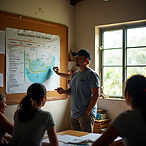
Child-Centered CBDRRM
3–5 days
Embeds children's participation and protection into community-based disaster risk reduction, ensuring DRRM plans respond to the specific needs and capacities of children.
Intended for
DRRM officers, school staff, child-focused organizations

Child-Centered CBDRRM (Urban)
3–5 days
Adapts child-centered CBDRRM approaches to urban contexts, addressing the unique vulnerabilities and risks faced by children in densely populated areas.
Intended for
Urban DRRM officers, LGU staff, child welfare organizations

Disability-Inclusive DRRM
2–3 days
Ensures persons with disabilities are meaningfully included in all aspects of disaster risk reduction planning, response, and recovery.
Intended for
DRRM officers, social welfare staff, PWD organizations

DRRM in Livelihoods (Value Chain)
3 days
Integrates disaster risk reduction and climate change adaptation into livelihood and value chain development programs to protect community economic resilience.
Intended for
Livelihood program staff, farmers, cooperative members, LGU economic officers

Gender in DRRM / Gender-Inclusive DRRM
2–3 days
Mainstreams gender equality into disaster risk reduction, ensuring DRRM plans and programs address women's leadership, specific vulnerabilities, and equal participation.
Intended for
DRRM officers, community leaders, women's organizations

Local CCA Planning
3–5 days
Guides LGUs in developing Local Climate Change Action Plans (LCCAP) that integrate community-based adaptation strategies and disaster risk reduction.
Intended for
LGU planners, ENRO staff, DRRM officers, community leaders

Local DRRM Planning
3–5 days
Supports LGUs in preparing comprehensive Local DRRM Plans (LDRRMP) aligned with national frameworks, integrating community needs and hazard assessments.
Intended for
LGU DRRM officers, planning staff, local chief executives
School-based DRRM
2–3 days
Mainstream disaster risk reduction and climate change adaptation in the school system through safe school frameworks, student-led preparedness, and teacher capacity building.
Intended for
Teachers, school administrators, DepEd staff

Monitoring, Evaluation, Assessment, Learning, and Sharing (MEALS)
3–5 days
Builds organizational capacity to design and implement MEALS systems that measure impact, support learning, and strengthen accountability in DRRM programs.
Intended for
Program officers, M&E staff, project managers, LGU planners
DRRM-CCA Planning (Adaptive)
3–5 days
Integrates disaster risk reduction and climate change adaptation in a unified adaptive planning approach, building long-term resilience to compound risks.
Intended for
LGU planners, DRRM officers, ENRO staff, community organizations
Multisectoral Training
2–3 days
Brings together diverse stakeholders from government, civil society, private sector, and community to strengthen coordination and shared understanding of DRRM roles.
Intended for
LGU staff, NGOs, private sector, media, community representatives

Inclusive Data Management System
3 days
Builds capacity in designing and using inclusive data systems for DRRM, including tools like KoboToolbox for data collection, management, and analysis.
Intended for
DRRM officers, data managers, M&E staff, program officers
Local Climate Change Action Planning
3–5 days
Supports communities and LGUs in developing actionable climate change adaptation plans that are locally owned, inclusive, and aligned with national frameworks.
Intended for
LGU planners, community leaders, environmental officers

Innovation (Across All Levels)
2–3 days
Explores and applies innovative approaches, technologies, and methodologies to enhance disaster risk reduction at community, LGU, and national levels.
Intended for
DRRM practitioners, LGU staff, CSO leaders, youth innovators
Community-based Early Warning System
3–5 days
Guides communities in designing, installing, and sustaining localized early warning systems for floods, landslides, storm surges, and other hazards.
Intended for
BDRRMC members, community volunteers, LGU technical staff

Evacuation Planning
2–3 days
Develops community and LGU capacity to create and implement effective evacuation plans including routes, protocols, and roles and responsibilities.
Intended for
Barangay DRRM officers, community leaders, LGU staff

Simulation - Actual Drill
1–2 days
Full-scale community or institutional disaster simulation exercises that test preparedness, communication, and response coordination under realistic conditions.
Intended for
DRRM councils, emergency responders, community members
Simulation - Tabletop
1 day
Discussion-based simulation exercises where participants work through disaster scenarios to evaluate plans, identify gaps, and strengthen coordination.
Intended for
LGU DRRM officers, emergency management teams, NGO staff
Business Continuity Planning
2–3 days
Helps organizations and businesses develop continuity plans to maintain essential functions and recover quickly during and after disasters.
Intended for
Business owners, organization managers, LGU enterprise staff
Policy Formulation (e.g. Ordinance Writing)
2–3 days
Supports local officials and advocates in drafting DRRM-related ordinances, resolutions, and policies that embed disaster risk reduction into local governance.
Intended for
Local legislators, LGU planners, civil society advocates
Advocacy Training
2–3 days
Equips community organizations and civil society groups with advocacy skills to influence DRRM policy, resource allocation, and institutional accountability.
Intended for
CSO staff, community leaders, youth advocates
Community Organizing
3–5 days
Develops skills in organizing communities for collective action on disaster risk reduction, climate change adaptation, and development issues.
Intended for
Community organizers, CSO staff, barangay leaders
Community-Level Mentoring
Ongoing (structured sessions)
Provides structured mentoring support to community-based organizations to strengthen their capacity, accountability, and sustainability in DRRM work.
Intended for
Community-based organizations, BDRRMC members

Organizational Development
3–5 days
Strengthens the internal systems, governance, and strategic direction of organizations engaged in disaster risk reduction and community development.
Intended for
CSO leaders, NGO managers, community organizations
Resource Mobilization / Project Proposal Development
3 days
Builds skills in identifying funding opportunities, writing compelling project proposals, and managing donor relationships for DRRM and development projects.
Intended for
CSO staff, LGU project development officers, community organizations

Policymaking / Legislative Processes (Local to National)
2 days
Orients community advocates and CSO leaders on how policymaking and legislative processes work from the barangay to national levels, and how to engage effectively.
Intended for
Community advocates, CSO leaders, youth leaders
Leadership Training
3–5 days
Develops transformational leadership skills among community leaders, LGU officials, and civil society advocates committed to building disaster-resilient communities.
Intended for
Community leaders, LGU officials, CSO leaders, youth
Conduct of Electoral Forums
1–2 days
Facilitates community-led electoral forums that help voters engage candidates on disaster risk reduction and climate change platforms.
Intended for
Community organizations, youth groups, civil society networks
Conduct of Media Briefings
1–2 days
Trains organizations and community leaders to communicate effectively with media, build positive public narratives around DRRM, and amplify community voices.
Intended for
CSO leaders, community advocates, DRRM officers

Barangay / Community DRRM Planning
3–5 days
Guides barangays and communities in crafting their own Disaster Risk Reduction and Management plans grounded in local hazards, vulnerabilities, and capacities.
Intended for
Barangay DRRM Officers, LGU staff, community leaders
Community (Participatory) Risk Assessment
3–5 days
Builds community capacity to identify, analyze, and map local hazards, vulnerabilities, and capacities through participatory tools and methods.
Intended for
Community members, barangay officials, CSO partners
Inclusive CBDRRM
3–5 days
Integrates disability, gender, and social inclusion principles into CBDRRM frameworks ensuring no one is left behind in disaster preparedness and response.
Intended for
DRRM officers, community organizations, PWD representatives
CBDRRM Early Warning System (EWS) Training
3 days
Equips communities to develop, operate, and maintain community-based early warning systems for floods, landslides, and other local hazards.
Intended for
BDRRMC members, community volunteers, local emergency responders
Family Preparedness / Family-Level Preparedness
1–2 days
Empowers households to develop their own family preparedness plans, assemble go-bags, and practice evacuation drills for common local hazards.
Intended for
Households, community members, parents and caregivers
Earthquake Preparedness
1–2 days
Teaches Drop-Cover-Hold techniques, structural safety assessment, and community earthquake response protocols to reduce casualties and losses.
Intended for
Community members, school personnel, LGU staff
School-Based DRR
2–3 days
Integrates disaster risk reduction into school life through curriculum support, student-led preparedness teams, and school safety planning.
Intended for
Teachers, school administrators, student leaders
Evacuation Center Management
2–3 days
Develops the capacity of local governments and communities to manage evacuation centers effectively, ensuring safety, dignity, and services for displaced families.
Intended for
LGU DRRM officers, social welfare staff, community volunteers
Psychosocial Support
3–5 days
Builds the skills of community carers and frontline workers to provide mental health and psychosocial support (MHPSS) to disaster-affected individuals and communities.
Intended for
Community carers, social workers, DRRM staff, volunteers
Rapid Damage, Capacity, and Needs Analysis
2–3 days
Trains responders in rapid assessment methodologies to quickly identify damage, available capacities, and priority needs in the immediate aftermath of disasters.
Intended for
Emergency responders, LGU staff, NGO field workers
Relief Delivery Operations
2 days
Covers proper protocols for planning, organizing, and executing relief distributions to ensure efficient, accountable, and dignified delivery of assistance to affected families.
Intended for
Relief coordinators, LGU staff, community volunteers
WaSH (Water, Sanitation, and Hygiene)
2–3 days
Equips communities and responders with knowledge and skills to maintain safe water, sanitation, and hygiene practices during and after disasters.
Intended for
Community health workers, DRRM officers, emergency responders
SPHERE / International Humanitarian Standards
3 days
Introduces the Sphere Handbook and global humanitarian standards ensuring quality and accountability in humanitarian response across shelter, food, water, and health sectors.
Intended for
Humanitarian workers, NGO staff, LGU DRRM officers
Rights-Based Humanitarian Response
3 days
Trains responders to apply a rights-based approach in humanitarian operations, centering the dignity, protection, and participation of affected populations.
Intended for
NGO staff, LGU DRRM officers, community leaders