


Beyond Localization:
Innovations Strengthening Pakikipagkapwa and Bayanihan in the Philippines
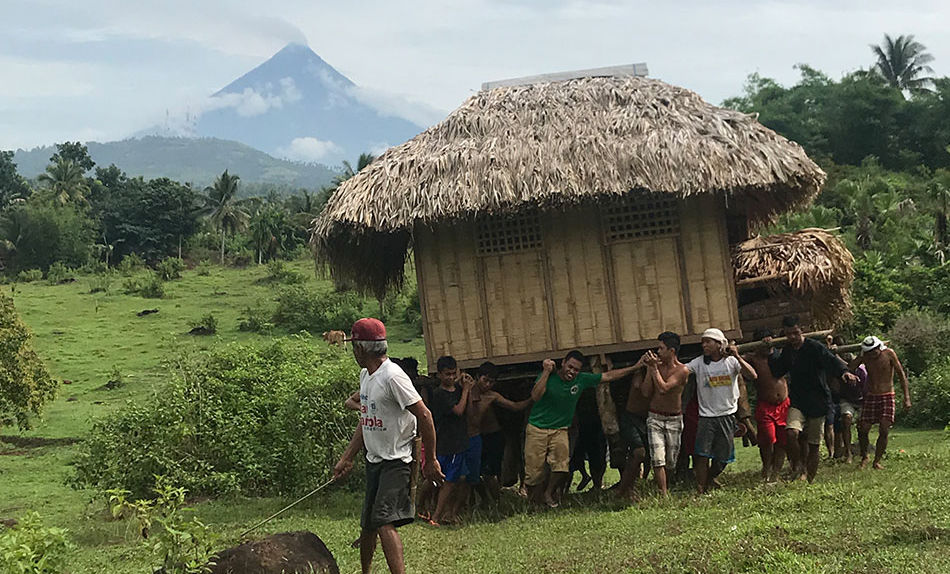
Beyond Localization: Innovations Strengthening Pakikipagkapwa and Bayanihan in the Philippines is a new publication by the Center for Disaster Preparedness Foundation (CDP Foundation) that reframes localization from the perspective of communities—not donors. Grounded in Filipino values of pakikipagkapwa and bayanihan, the publication documents how locally led humanitarian action is already being practiced, defended, and sustained across the Philippines.
Authored by Loreine Dela Cruz, Michael Vincent Mercado, and Revka Perez, the study brings together community narratives, case studies, and movement-level insights to show that communities are not merely beneficiaries of aid but active leaders, innovators, and stewards of resilience.
Why this publication matters
Why this publication matters
Localization has become a widely used term in the humanitarian and development sector. Yet in practice, power over resources, decisions, and narratives often remains with donors and international actors. This publication challenges that imbalance by:
-
Shifting the lens of localization from institutions to communities
-
Recognizing community lived experience as expertise
-
Valuing non-financial resources such as labor, land, care, trust, and knowledge
-
Demonstrating how Filipino practices of solidarity already enable effective humanitarian action
Rather than proposing a new framework, Beyond Localization surfaces what communities have long been doing – and asks systems to catch up.
Key research findings and insights
This research surfaces concrete evidence from communities, local organizations, and national movements showing how localization is practiced in reality in the Philippines. Key findings include:
-
Localization remains donor-centered: Despite global commitments such as the Grand Bargain, decision-making power, funding control, and accountability mechanisms largely remain with international actors. Communities and local organizations are still positioned as implementers rather than leaders.
-
Community-led humanitarian action predates global localization agendas: Practices rooted in kapwa, pakikipagkapwa, damayan, and bayanihan have long driven disaster response and recovery in the Philippines – well before localization became an institutional priority.
-
Power asymmetries persist in partnerships: Local NGOs, CSOs, and people’s organizations continue to face unequal relationships characterized by heavy compliance requirements, limited dialogue, and a lack of trust from donors and INGOs.
-
Funding systems exclude grassroots actors: Complex application processes, preference for established NGOs, and rigid reporting requirements prevent many community-based organizations, indigenous groups, women-led groups, and informal associations from accessing humanitarian financing.
-
Community resources are systematically undervalued: Non-financial contributions such as volunteer labor, land use, local knowledge, care work, and social networks are critical to response and recovery, yet remain invisible in dominant funding and monitoring frameworks.
-
Participation is still constrained by a beneficiary mindset: Many crisis-affected communities hesitate to question or influence aid decisions, resulting in mismatched, unsustainable, or inappropriate interventions.
-
Shrinking civic space affects locally-led action: Red-tagging, restrictive laws, and political intimidation limit organizing, advocacy, and coordination—particularly for groups working with indigenous peoples, urban poor communities, and youth.
-
Movement-building strengthens resilience: Networks such as Pasiklab and the Philippine Localization Lab demonstrate that coalitions, peer learning, and collective advocacy increase community power, visibility, and influence.
These findings affirm that localization is not primarily a technical challenge – it is a question of power, trust, and whose knowledge is recognized.
Who this publication is for
This publication is intended for:
-
Community leaders and people’s organizations seeking validation of locally led practice
-
Local and national civil society actors working on disaster risk reduction, humanitarian response, and climate justice
-
Funders and donors interested in trust based, power shifting partnerships
-
Policymakers and institutions engaging with localization, DRRM, and humanitarian reform
-
Researchers and practitioners looking for grounded evidence from the Global South


Let’s Work Together
Get in touch so we can start working together.


